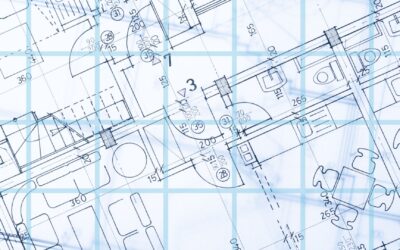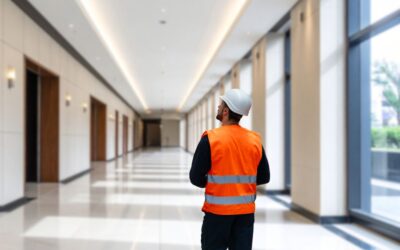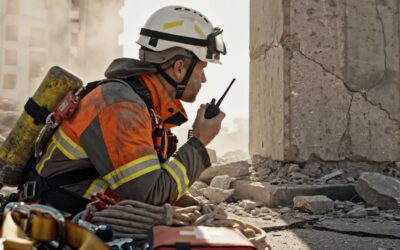
A bi-directional amplifier survey, also referred to as a BDA survey or ERCES survey, is required to definitively determine whether your specific commercial property requires an ERCES system to meet the regulatory requirements for first responder communications. However, certain building layouts, such as high-rises or those with underground floors or parking garages, often require a signal boost from an ERCES system – of which a BDA is a key component. Additionally, some businesses commonly use those building layouts, often requiring a BDA survey–and ultimately an ERCES system.
Building Layouts More Likely to Require a BDA Survey
High-Rise Buildings
Tall buildings, such as high-rise apartments, have large floor areas and dense materials that interfere with radio communications. Radio signals may be limited on upper floors or in interior rooms far from windows. BDAs ensure that both public safety personnel and building staff can communicate across all floors, particularly in elevator shafts, stairwells, and maintenance rooms.
Large Warehouses and Manufacturing Plants
Tall buildings, such as high-rise apartments, have significant square footage and dense materials that interfere with radio communications. Radio signals may be limited on upper floors or in interior rooms far from windows. BDAs ensure that both public safety personnel and building staff can communicate across all floors, particularly in elevator shafts, stairwells, and maintenance rooms.
Underground Floors or Parking Garages
Structures with subterranean levels, such as parking garages or buildings with basement levels, often experience poor signal penetration. BDAs ensure that emergency responders can communicate underground during emergencies like car fires or structural issues.
Seven Business Types Often Requiring BDA Surveys
1. Hospitals and Medical Centers
-
- Certain areas, such as operating rooms, radiology labs, and basements, can have thick walls or equipment that blocks radio signals. Disaster events may create additional, unanticipated blocks to radio signals. BDAs ensure seamless communication between medical staff, security personnel, and emergency responders, even in critical zones.
2. Hotels and Convention Centers
-
- Communication can be difficult in large hotels and convention centers, especially across conference rooms, kitchens, laundry facilities, and parking garages. BDAs are essential for guest safety and compliance with local fire codes, which often mandate clear communication pathways for emergency services.
3. Shopping Malls and Retail Centers
-
- Due to the large number of stores, walls, and floors, shopping malls and large retail outlet plazas can experience signal dead zones in certain sections. BDAs help mall security, firefighters, and police stay in contact across all areas, including back hallways and underground parking lots, enabling real-time communication, coordinated responses, and organized evacuations.
4. Stadiums and Arenas
-
- Sports stadiums and entertainment arenas are massive venues where radio signals may not extend across all seating areas, locker rooms, and concourses. BDAs guarantee communication for event security teams, law enforcement, and emergency personnel during high-occupancy events, such as sports games and concerts.
5. Schools and Universities
-
- Across school campuses or large university buildings, radio signals may weaken in stairwells, basements, or large lecture halls. During a school emergency, such as a fire, medical situation, or security threat, BDAs help coordinate responses between on-site staff and outside emergency services.
6. Government Buildings
-
- Courthouses, police and fire stations, and other government buildings often have areas with signal blockages, such as secure offices, holding cells, archives, and basements. BDAs ensure law enforcement personnel and emergency responders can communicate throughout the facility during high-stress situations.
7. Data Centers
-
- Data centers are highly secure buildings with thick walls, heavy shielding, and controlled access, all of which can impede radio signals. BDAs allow security personnel and maintenance staff to communicate throughout the building during equipment failures, fires, or security breaches–especially in server rooms, utility areas, and control centers.
Does Your Commercial Property Require a BDA Survey?
These examples demonstrate how ERCES systems are essential across various industries and building types where uninterrupted communication is critical for safety, security, and emergency response. If your commercial property features any of these layouts, or if your business is among the commonly affected, give us a call to schedule a BDA survey. We’ll help ensure your building is compliant with ERCES requirements and ready to support first responder communications effectively.