Nine Areas of Commercial Fire Regulations
Key Terms & Components You Should Know
Commercial fire regulations and life safety regulatory requirements are designed to protect occupants, reduce fire risk, and facilitate safe evacuation during emergencies. These requirements generally follow guidelines from the National Fire Protection Association (NFPA) and International Building Code (IBC) and are combined with local codes designated by the Authority Having Jurisdiction (AHJ), resulting in regulations that vary by jurisdiction. This article outlines some of the broadly applicable life safety components and concepts.
1. Commercial Fire Alarm and Detection Systems
-
- Smoke Detectors: They must be installed in common areas, exit pathways, and sometimes individual rooms, depending on the building’s size and use.
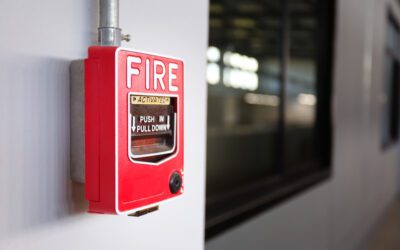
- Manual Pull Stations: Requirements designate pull stations must be located near exits and within a specific distance from any point in the building.
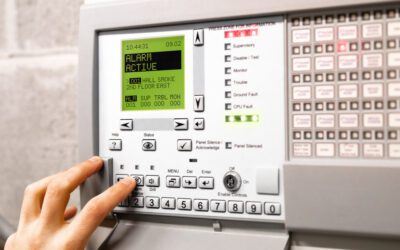
- Alarm Monitoring: Commercial fire alarms are often required to be monitored by a central station, which automatically alerts emergency services.
2. Fire Suppression Systems
-
- Sprinkler Systems: Commercial spaces often require automatic sprinkler systems, especially in larger buildings, high-occupancy spaces, and specific types of occupancies with higher risk of incidents (e.g., restaurants, industrial spaces). Sprinkler system design is based on building size, hazard classification, and use.
- Fire Extinguishers: Portable fire extinguishers must be placed throughout the building, typically within 75 feet of travel distance. Additionally, they must be suitable for the type of fire hazards present (Class A, B, C, etc.) in that building.
- Standpipes and Fire Hoses: Larger commercial spaces may require standpipe systems, which allow firefighters to connect hoses at various points inside the building.
3. Emergency Exit Routes and Evacuation
-
- Egress Requirements: Exit routes must be clearly marked and provide a continuous, unobstructed path of travel to a safe area outside. This includes proper signage, lighting, and maintained corridors.
- Exit Doors: Doors must swing outward, be easily operable from inside without special knowledge or effort (panic bars), and not be locked during occupancy.
- Emergency Lighting: Backup lighting is required to illuminate exit routes in case of power failure.
4. Fire-Resistant Materials and Compartments
-
- Fire-Resistant Walls and Floors: Buildings may require fire-rated materials for certain areas, like stairwells, to prevent fire spread for a specified time (e.g., 1-hour or 2-hour fire resistance).
- Fire Doors: Doors leading to fire-rated stairwells or separating compartments must be self-closing and maintain their fire rating.
5. Occupancy Load and Control
-
- Occupant Load Calculation: Commercial spaces must calculate maximum occupancy based on floor space and intended use. This number determines the required number of exits and fire safety systems.
- Fire Drills and Evacuation Plans: In some jurisdictions, regular fire drills and posted evacuation plans are required, especially for high-occupancy buildings or spaces like schools, hospitals, and offices.
6. Electrical and Mechanical Systems
-
- Electrical Codes: All electrical wiring and systems must meet safety standards to prevent fire hazards (e.g., avoiding overloaded circuits, ensuring proper grounding).
- HVAC Systems: Must have smoke and fire dampers to prevent the spread of fire and smoke through ventilation systems.
7. Fire Safety Inspections and Maintenance
-
- Routine Inspections: Fire alarms, sprinkler systems, extinguishers, and other safety equipment must be inspected and tested regularly to ensure functionality.
- Fire Department Access: The building’s design must provide easy access for emergency services, including fire lanes and access points.
8. Accessibility Standards
-
- Evacuation for Disabled Individuals: Buildings must comply with regulations under the Americans with Disabilities Act (ADA) to ensure safe evacuation of individuals with disabilities. This includes features like accessible routes for egress, areas of refuge for those who may not be able to exit without assistance, and audio/visual alarms to aid in communication with hearing and visually impaired individuals.
9. Local and State Codes
-
- Jurisdiction-Specific Codes: Local governments may have additional requirements that supplement or modify national standards. Commercial spaces need to consult with local fire marshals or building inspectors.
Complying with the Matrix of Life Safety Regulations
Commercial property owners often need to collaborate closely with local AHJs, architects, and fire safety consultants to ensure compliance based on their building size, occupancy type, and specific regulatory framework. Give us a call if you’d like to discuss ensuring your commercial property – new construction or existing property – is compliant with current regulations.